|
Slate
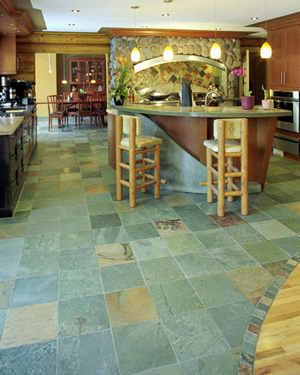 Slate is a fine-grained, foliated, homogeneous, metamorphic rock derived from an original shale-type sedimentary rock composed of clay or volcanic ash through low grade regional metamorphism. The result is a foliated rock in which the foliation may not correspond to the original sedimentary layering. Slate is frequently grey in colour especially when seen en masse covering roofs. However, slate occurs in a variety of colours even from a single locality. For example slate from North Wales can be found in many shades of grey from pale to dark and may also be purple, green or cyan. Slate is a fine-grained, foliated, homogeneous, metamorphic rock derived from an original shale-type sedimentary rock composed of clay or volcanic ash through low grade regional metamorphism. The result is a foliated rock in which the foliation may not correspond to the original sedimentary layering. Slate is frequently grey in colour especially when seen en masse covering roofs. However, slate occurs in a variety of colours even from a single locality. For example slate from North Wales can be found in many shades of grey from pale to dark and may also be purple, green or cyan.
Slate has two lines of breakability: cleavage and grain. This makes it possible to split slate into thin sheets. Slate tiles are often used for interior and exterior flooring or wall cladding. Tiles are installed and set on mortar and grouted along the edges. Chemical sealants are often used on tiles to improve durability and appearance, increase stain resistance, reduce efflorescence, and increase or reduce surface smoothness. Tiles are often sold gauged, meaning that the back surface is ground for ease of installation. Slate is often used as a decor in freshwater aquariums. Slate will not alter the chemistry of water (except in the slate containing feldspar which may leach silicates into the water resulting in excess diatom growth in marine aquaria). When broken, slate produces a natural appearance while remaining relatively flat and can be easily stacked. Silicone glue adheres to slate, creating a non-toxic bond to secure it. It is also used in stairs and pathways for the same reasons.
This stone category is eco-friendly and economic, which has use for interior as well as exterior both. Due to its durability and light weight its is widely applied on walls and for roofing through out the world. Slate does not twists, curls damages and as it is fire proof it is used in kitchens as well as on roofs in heavy snow fall countries. Due to sedimentation and grains it can be split to very thin thickness. Unavoidable color variation in slates as being a natural product it adds value to beauty where ever it is applied
Physical & Chemical Properties
| Slate - Physical Properties |
| Hardness: |
2.5 to 4.0 on Moh's scale |
| Modulus of Rupture: |
450 to 850 Kg/cm2 |
| Compressive Strength: |
170 to 240 Kg/cm2 |
| Specific Gravity: |
2.65 to 2.80 |
| Porosity: |
Low to very low |
| Water Absorption: |
1.0 to 1.5% |
| Weather Impact: |
Resistant |
| Corrodibility: |
0.4 to 0.7% |
| Slate - Chemical Properties |
| Chemically, they are multi-mineral rocks made of an aggregate of minerals and colloidal substances. Essentially, mineral composition includes members of mica group commonly sericite & muscovite, clay group commonly paragonite, chlorite & kaonilite. The accessory minerals are oxides, calcites & minor amounts of quartz and feldspar along with subordinate amounts of ferro-magnesian minerals. Free silica is normally poor. It is resistant to acids and staining |
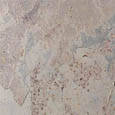
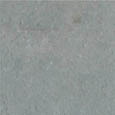
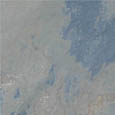
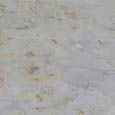
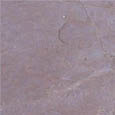
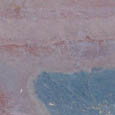
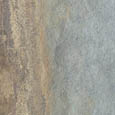
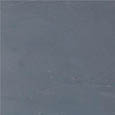
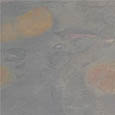
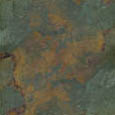
Colors Available
 |
 |
 |
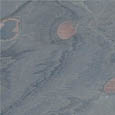 |
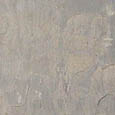
| Color 1 |
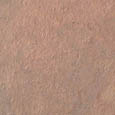
Color 2 |
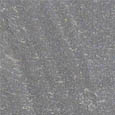
Color 3 |
Color 4 |
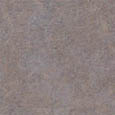 |
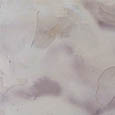 |
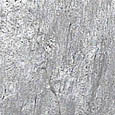 |
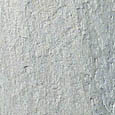 |
| Color 5 |
Color 6 |
Color 7 |
Color 8 |
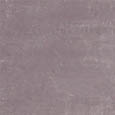 |
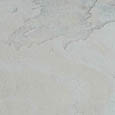 |
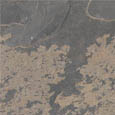 |
 |
| Color 9 |
Color 10 |
Color 11 |
Color 12 |
 |
 |
 |
 |
| Color 13 |
Color 14 |
Color 15 |
Color 16 |
 |
 |
 |
 |
| Color 17 |
Color 18 |
Color 19 |
Color 20 |
 |
 |
|
|
| Color 21 |
Color 22 |
|
|
| The above colors may have tonal variation between lot to lot |
Regular Sizes
All tile sizes are in cms (Cut to size)
20 x 20
20 x 40
30 x 30
40 x 40
50 x 50
60 x 30
60 x 60
|
|
|
Big slabs are also made available as per requirement
Thickness (Tiles & Slabs)
Natural: 8mm to 50mm
Calibrated: 10mm to 50mm
More thickness is made available on requirement
Products
Tiles
Slabs
Finishes
Hand cut edges
Machine cut
Polished
Calibrated
Honned
Sawn Tumbled
Brushed
Sandblasted
Flammed
Bull nosed
Fine hand work etc
Edges
Both hand chiseled and machine cut (sawn)
Please visit the edges section for more details
|
Next Step
|